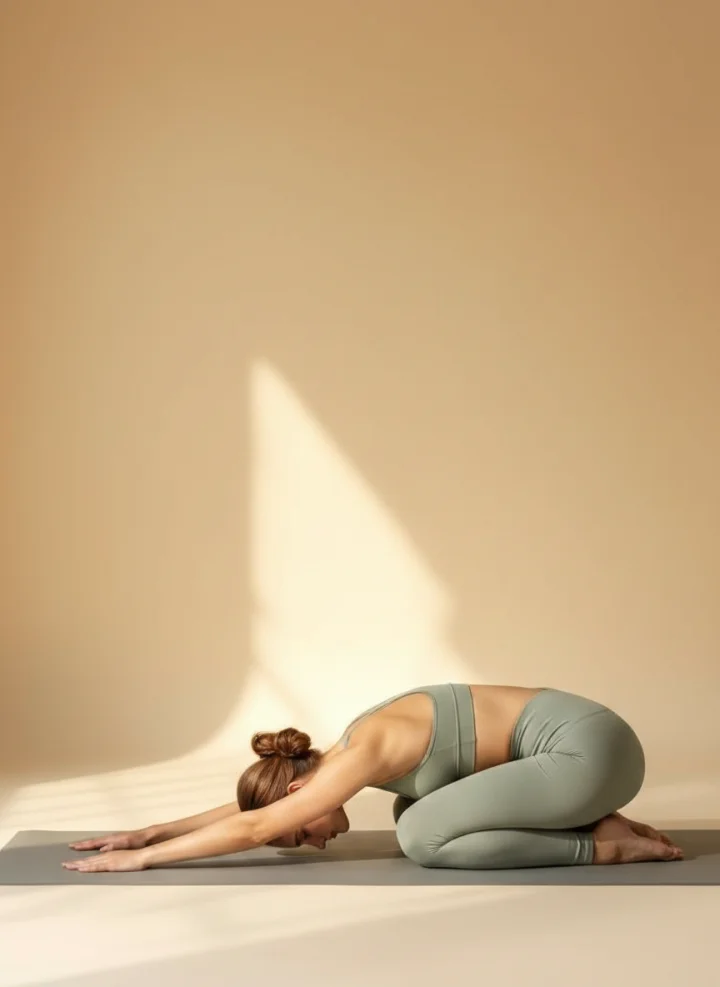
Yoga can be part of a herniated disc recovery plan for many people, but this is exactly the situation where guessing on your own carries real risk — medical clearance first matters more here than for general stiffness or muscular tension.
Why this case is different
Unlike general muscular back tightness, a diagnosed disc injury has a specific structural component, and certain movements (especially deep forward folds or unsupervised backbends) can aggravate it — which is why professional guidance on which poses to avoid matters here specifically.
What's often recommended
Gentle extension-based movements (like a supported press-up or sphinx pose) are sometimes used therapeutically for disc-related pain under professional guidance, while deep flexion or unsupported twisting is more commonly restricted.
The bottom line
If you have a diagnosed herniated disc, sciatica, or any recent back injury, get clearance from a healthcare professional before starting or resuming a yoga practice, and follow their specific guidance on which movements to avoid.
Which poses are commonly avoided with a herniated disc?
Deep unsupported forward folds and aggressive twists are commonly flagged as higher-risk without guidance — but the right answer depends on the specific disc level and symptoms, which is exactly why individualized medical or physical therapy guidance matters more than a generic list.